
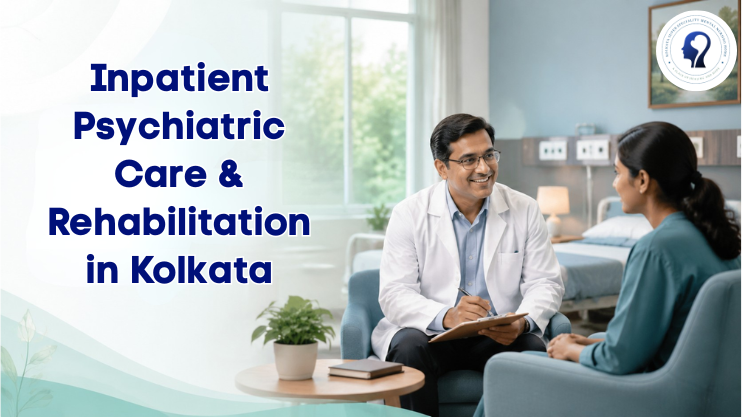
When someone is in the middle of a mental health crisis, “recovery” doesn’t feel like an inspiring concept. It feels like survival. Sleepless nights, panic, intrusive thoughts, severe mood swings, psychosis, withdrawal, or complete emotional shutdown can make daily life unmanageable. In that stage, the right inpatient setting can shorten the suffering curve, reduce risk, and bring stability faster than scattered outpatient appointments.
A well-run mental hospital in Kolkata helps patients recover faster for one simple reason: it reduces chaos. It brings assessment, treatment, safety, structure, and follow-up into one coordinated system, instead of leaving the patient and family to patch together care from multiple places. Depending on the diagnosis and response to treatment, some patients may benefit from advanced therapy options as part of a psychiatrist-led treatment plan.
“Recover Faster” Does Not Mean “Recover Instantly”
Let’s be blunt: no hospital can promise instant recovery. Mental health recovery depends on diagnosis, symptom severity, medical factors, family support, treatment adherence, and time. What a strong psychiatric hospital can do is speed up stabilization, reduce relapses, prevent complications, and help a patient regain functioning sooner than they would with delayed or fragmented care.
Faster recovery usually means fewer crisis episodes, better sleep, reduced agitation, improved safety, and a clearer plan for the weeks after discharge.
Early, Accurate Diagnosis Stops Trial and Error
One reason people stay unwell for too long is misdiagnosis or incomplete diagnosis. Anxiety can hide depression. Depression can look like fatigue and anger. Psychosis can be mistaken for “stress.” Substance use can mimic mood disorders. Sleep deprivation can create symptoms that look psychiatric. A good mental hospital starts with a comprehensive evaluation that looks at symptoms, medical history, medications, substance use, sleep, and risk.
This early clarity matters because the wrong diagnosis leads to the wrong medication, the wrong therapy, and months of wasted time.
Multidisciplinary Teams Treat the Whole Person
The best mental hospital in Kolkata is not a one-doctor show. Recovery is faster when care is delivered by a team: psychiatrists, clinical psychologists, therapists, psychiatric nurses, and rehabilitation staff working together.
That team approach is practical. Medication may stabilize sleep and reduce severe symptoms. Psychotherapy helps reduce relapse triggers and teaches coping skills. Nursing observation ensures safety and tracks patterns. Rehabilitation focuses on routine, functioning, and reintegration into normal life. When these pieces are coordinated, patients improve more consistently.
Safe Inpatient Structure Reduces Relapse Triggers
Many patients struggle not because they lack willpower, but because their environment keeps triggering symptoms. A structured inpatient setting reduces unpredictability. Meals are regular. Sleep routines are protected. Substances are restricted. Stressors are limited. Monitoring is consistent.
This structure is not “control for control’s sake.” It’s a clinical tool. For severe depression, mania, psychosis, suicidal risk, or extreme anxiety, predictable routine and safety can reduce symptom intensity faster than trying to stabilize in a chaotic home environment.
Medication Optimization Is Faster and Safer in a Hospital Setting
Medication changes can be difficult in outpatient care because side effects, non-adherence, and delayed follow-up are common. In a mental hospital, psychiatrists can adjust medication based on daily observation, symptom tracking, and tolerability.
This matters when patients are sensitive to side effects, when symptoms are severe, or when multiple medications are involved. Faster recovery often comes from faster course correction. A good hospital doesn’t keep increasing doses blindly. It monitors, adjusts, and aims for functional improvement, not sedation.
Advanced Therapies Like rTMS Can Reduce Symptom Burden for Some Patients
Many modern psychiatric facilities in Kolkata now include advanced therapeutic options. One example is rTMS, repetitive transcranial magnetic stimulation. It is a non-invasive therapy used in selected patients for mood and anxiety disorders, typically delivered in short sessions over multiple visits.
Some protocols involve around 15 to 20 sessions of roughly half an hour each. It is not suitable for everyone and it is not a shortcut cure, but in the right patient, it may reduce symptom burden and support recovery, especially when standard treatments have not worked well or are poorly tolerated.
The key point is selection and supervision. Advanced therapy only helps when it matches the diagnosis and the patient’s medical profile.
Therapeutic Work Continues Even After Symptoms Calm Down
Stabilizing a crisis is only step one. If the underlying patterns are not addressed, relapse becomes likely.
A strong mental hospital uses the inpatient phase to start skill-building early. That can include CBT-based coping tools, trauma-informed care when appropriate, psychoeducation, emotional regulation strategies, and structured relapse prevention planning. The goal is to reduce future episodes, not just calm the current one.
A Healing Environment Improves Compliance and Reduces Agitation
Environment matters more than people think. No one recovers well in a setting that feels unsafe, chaotic, or humiliating. Modern psychiatric units increasingly focus on calm spaces, respectful staff communication, privacy where appropriate, and routine that reduces overstimulation.
Holistic supports like nutrition guidance, sleep hygiene, gentle physical activity, and structured expressive therapies such as art-based work can reduce stress load and improve cooperation with treatment. These are not replacements for medical care. They are recovery accelerators when used well.
Family Involvement Speeds Recovery When Done Correctly
Many relapses happen because the family doesn’t know what to do once the patient returns home. A good mental hospital includes family counseling or caregiver guidance so that the home environment supports recovery instead of accidentally triggering relapse.
Families learn what symptoms to watch, how to respond to agitation, how to support medication adherence, how to set boundaries without conflict, and how to reduce stigma. This reduces caregiver burnout and improves patient outcomes.
Structured Rehabilitation and Reintegration Prevent the “Discharge Crash”
One of the biggest reasons recovery fails is the discharge crash. A patient feels better inside the hospital, then returns to life with the same triggers, the same workload, and no structure.
The best mental hospital in Kolkata reduces this risk with rehabilitation planning. That includes routine rebuilding, coping skills, gradual return to work or study, and clear follow-up scheduling. It also includes coordination for outpatient therapy and medication monitoring. When aftercare is planned properly, recovery is faster because setbacks are caught early.
How to Choose the Right Mental Hospital in Kolkata
Ignore marketing words and look for operational signals. You want a facility that can explain their evaluation process, safety protocols, treatment model, staffing structure, therapy availability, and aftercare plan. You also want transparency about what they treat well, what they do not, and how they handle emergencies.
Some families in Kolkata consider established rehabilitation-focused centres, and some consider psychiatric departments in multispeciality hospitals. The best choice depends on diagnosis, severity, and whether inpatient rehabilitation is needed.
When Hospital Care Is the Right Call
Inpatient care is often appropriate when there is suicidal risk, inability to function, severe insomnia with worsening symptoms, psychosis, mania, severe agitation, refusal to eat or drink, dangerous substance withdrawal, or repeated relapses despite outpatient care. If you are comparing treatment options for yourself or a family member, you can visit our psychiatric hospital in Kolkata for an in-person consultation and guidance.
If safety is uncertain, do not wait for it to become “worse enough.” That delay is what turns treatable episodes into prolonged disability. Get in touch with Kolkata Super Speciality Mental Hospital (KSSM) if you require professional psyshiactric facilities.

Dr. Sagnik Mukherjee, a distinguished Consultant Neuro-Psychiatrist with credentials including an MBBS and MD, leads the expert team at Kolkata Super Speciality Mental Nursing Home. As a renowned consultant psychiatrist and de-addiction specialist in Kolkata, Dr. Mukherjee is highly regarded for his extensive experience and expertise in the field of mental health. He earned his MBBS from Calcutta National Medical College and his MD from SVS Medical College, demonstrating his commitment to excellence in the medical field. Driven by a profound passion for mental health, his areas of specialization encompass child and adolescent psychiatry, addiction treatment, schizophrenia, depression, and various anxiety disorders. At our state-of-the-art facility, your well-being is our top priority, and we provide personalized care within a supportive environment. To schedule an appointment with Dr. Sagnik Mukherjee and experience the highest standard of mental health care, please contact us at 9062999922 or visit our mental hospital. Your mental health matters to us, and we are here to support you on your journey to well-being.