
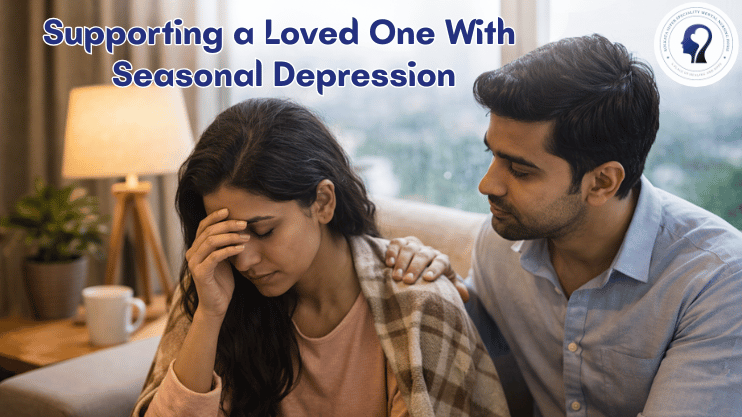
Some changes are easy to notice. Someone stops replying to messages. They cancel plans repeatedly. They seem exhausted even after a long sleep. They start saying things like “I just can’t get going” or “I feel heavy for no reason.” And then, almost quietly, you realize it happens around the same time every year.
Seasonal Affective Disorder, often called SAD or seasonal depression, is a type of depression that follows a seasonal pattern, most commonly beginning in late fall or winter and improving in spring. It’s not laziness or a lack of effort. It’s a real condition that can affect energy, sleep, appetite, motivation, and quality of life. A strong support network can make a meaningful difference, especially when someone is unsure how to ask for help.
This article is educational and not a diagnosis. If someone’s symptoms are severe or include thoughts of self-harm, seek urgent professional help.
Where SAD Fits Within Mood Disorders
SAD is generally understood as a seasonal pattern of depressive episodes and is often discussed within the broader category of Mood Disorders. In the Diagnostic and Statistical Manual of Mental Disorders published by the American Psychiatric Association, SAD is described as a “seasonal pattern” specifier that can apply to major depressive disorder and bipolar disorders, rather than being a completely separate diagnosis. That distinction matters because treatment choices can differ if someone has bipolar I disorder, bipolar II disorder, or a history of hypomanic episodes or a manic episode.
If your loved one has any history of Mood Disorders, it’s especially important to involve a mental health professional before starting certain treatments.
What Seasonal Affective Disorder Looks Like in Real Life
SAD often looks like a shift in a person’s baseline. They may seem slower, more withdrawn, more sensitive, and less hopeful than usual. The change is not a single bad day. It tends to last weeks and can affect work, relationships, and physical health.
Many people with SAD describe a “hibernation” feeling. They want to stay in bed longer, avoid social contact, and conserve energy. This pattern can be confused with “the winter blues,” but SAD is more persistent and more impairing, closer to clinical depression than temporary low mood.
Recognizing Symptoms of Depression in Winter-Pattern SAD
The symptoms of depression that appear in SAD often include persistent sadness, irritability, and reduced interest in hobbies. People may have low energy, slowed thinking, difficulty concentrating, and a drop in motivation.
Sleep changes are common. Many people oversleep and still feel tired. Appetite can shift toward carbohydrate cravings and sugary foods, sometimes leading to weight gain. Social withdrawal is also frequent, as people may isolate because they feel drained or emotionally numb.
When these symptoms are significant and seasonal, they can resemble major depression or major depressive disorder, particularly when the person experiences repeated depressive episodes during winter months.
Some people also experience a more chronic low mood pattern across time. If symptoms are present for years with only partial relief, a clinician may consider persistent depressive disorder as part of a broader evaluation.
Why It’s Often Missed or Misunderstood
SAD is often dismissed as “everyone feels low in winter,” but the difference is intensity and impact. SAD can cause depressive disorders, level impairment, and reduce functioning for weeks or months.
It can also be missed because symptoms overlap with burnout, grief, thyroid disorders, anemia, sleep disorders, and vitamin deficiencies. Vitamin D is often discussed because low sunlight exposure can affect Vitamin D levels, and some people have deficiencies that contribute to fatigue and low mood. This does not mean Vitamin D alone explains SAD, but it’s a reasonable health factor to check with a clinician.
What May Be Happening Biologically
SAD is linked to how the body responds to seasonal light changes. Shorter daylight can affect circadian rhythms and may alter melatonin levels, which influence sleep and wake cycles. Seasonal changes may also influence serotonin levels, which are involved in mood regulation.
These shifts can impact a person’s brain chemical balance and energy patterns, which is one reason symptoms can feel both emotional and physical. People are not “choosing” this state. Their biological systems are adapting to less light, sometimes in a way that becomes distressing.
How to Start the Conversation Without Triggering Defensiveness
Start with observations, not labels. Instead of saying, “You have major depressive disorder,” try,, “I’ve noticed winter seems harder for you every year, and you seem more withdrawn and exhausted. I’m worried about you.”
Ask open-ended questions. “What has been feeling hardest?” lands better than “Why are you acting like this?” If they minimize, don’t argue. Stay calm and consistent. The goal is to offer safety, not win a debate.
Support Step 1: Increase Light Exposure and Consider Bright Light Therapy
Light is one of the most practical supports. Encourage time outdoors during daylight hours, even if it’s brief. At home, open curtains early and keep living spaces bright.
For many people, clinicians recommend bright light therapy using a 10,000-lux light box. It’s important to discuss timing and safety with a mental health professional or physician, especially if the person has bipolar I disorder or bipolar II disorder, because light therapy can sometimes contribute to mood swings or trigger hypomanic episodes or a manic episode in vulnerable individuals.
Support Step 2: Help Them Keep Routine When Motivation Is Low
When mood drops, daily tasks can feel enormous. Offer practical help like groceries, cooking, or small chores. Encourage a consistent wake time, gentle movement, and predictable meals. Routine stabilizes the body clock, which can support mood regulation.
This isn’t about forcing productivity. It’s about protecting baseline structure so depressive episodes don’t deepen through isolation and disorganization.
Support Step 3: Plan a Low-Pressure Connection That Protects Dignity
SAD often comes with social withdrawal. Instead of pushing big events, offer low-pressure activities that feel safe: a short walk, a movie night, cooking together, or sitting with tea.
Gentle connection protects quality of life. A stable support network reduces shame and helps the person feel less alone while symptoms pass.
Support Step 4: Encourage Professional Treatment Options
If symptoms persist or interfere with daily life, professional care can help. A mental health professional can assess whether SAD fits within major depressive disorder, another depressive disorder, or a bipolar-spectrum condition, and then recommend treatment accordingly.
Treatment options commonly include cognitive behavioral therapy, especially CBT tailored for seasonal depression, bright light therapy, and, in some cases, antidepressant medication. Medication decisions should be clinician-guided, especially for individuals with bipolar I disorder or bipolar II disorder, where antidepressants can sometimes worsen mood instability if not carefully managed.
If your loved one is hesitant, offer to help find a provider, schedule an appointment, or accompany them. When motivation is low, removing friction can make the difference between delay and care.
If low mood, fatigue, or withdrawal continue through seasonal changes, timely psychiatric care in Kolkata may be important.
Important Note for Readers in the United States
If you are in the United States and need help finding mental health support, a primary care physician can be a starting point, and many communities also have crisis and support resources. If there is immediate danger or suicidal thoughts, contact emergency services right away.
When It’s an Emergency
If your loved one expresses suicidal thoughts, self-harm urges, or a desire to not wake up, treat it as urgent. Stay with them, reduce access to lethal means if possible, and seek immediate professional help.
Also seek urgent clinical help if you observe severe mood swings, risky behavior, or signs of a manic episode or hypomanic episodes, such as unusually high energy with reduced sleep, impulsive spending, agitation, or inflated confidence that is out of character. These symptoms can suggest bipolar-spectrum Mood Disorders and require prompt evaluation.
If seasonal mood changes are making daily life harder to manage, support from a best mental hospital in Kolkata can help with assessment and treatment planning.
A Hopeful Closing
Seasonal Affective Disorder can make winter feel like a tunnel, but it is treatable, and many people improve with the right mix of routine, light exposure, therapy, and medical support. Your steady presence helps protect the quality of life while your loved one moves through a difficult season.
You don’t have to fix it alone. You just have to help them stay connected to care, to people, and to hope until the season changes.
Medical Care in Kolkata
If you suspect SAD, major depression, major depressive disorder, persistent depressive disorder, or bipolar I disorder or bipolar II disorder, seek evaluation from a qualified mental health professional. If there is an immediate safety risk or suicidal thoughts, seek emergency help right away. Visit our mental hospital in Kolkata to receive the medical care you deserve.
If seasonal mood changes are affecting your routine, you can visit our neuropsychiatric clinic in Kolkata for an in-person consultation and proper clinical guidance.

Dr. Sagnik Mukherjee, a distinguished Consultant Neuro-Psychiatrist with credentials including an MBBS and MD, leads the expert team at Kolkata Super Speciality Mental Nursing Home. As a renowned consultant psychiatrist and de-addiction specialist in Kolkata, Dr. Mukherjee is highly regarded for his extensive experience and expertise in the field of mental health. He earned his MBBS from Calcutta National Medical College and his MD from SVS Medical College, demonstrating his commitment to excellence in the medical field. Driven by a profound passion for mental health, his areas of specialization encompass child and adolescent psychiatry, addiction treatment, schizophrenia, depression, and various anxiety disorders. At our state-of-the-art facility, your well-being is our top priority, and we provide personalized care within a supportive environment. To schedule an appointment with Dr. Sagnik Mukherjee and experience the highest standard of mental health care, please contact us at 9062999922 or visit our mental hospital. Your mental health matters to us, and we are here to support you on your journey to well-being.