
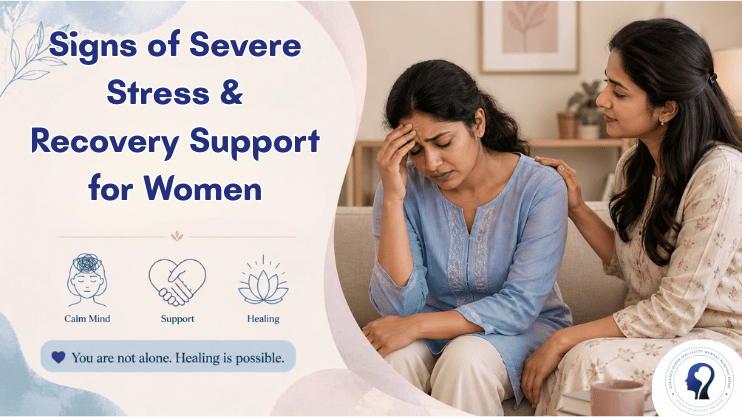
Many women carry a quiet load that doesn’t show up on a schedule. Work demands. Family responsibilities. Caregiving. Relationship stress. Health concerns. Financial pressure. The emotional labor of keeping everything running. When that load becomes too heavy for too long, the mind and body can start sending signals that something is breaking down.
The phrase “nervous breakdown” is not a formal medical diagnosis. Clinicians often describe it as a mental health crisis or a period of severe overwhelm where stress, anxiety, depression, or burnout symptoms become so intense that day-to-day functioning starts to collapse. If you recognize these signs in yourself or someone you love, the most important message is this: it is a health issue, not a weakness, and recovery is possible with the right support.
Why a Nervous Breakdown Can Look Different in Women
Females are more likely to juggle multiple roles and may feel pressure to keep performing even when they are struggling. Many also delay help because they tell themselves others have it worse, or because they fear being judged as “too emotional.” This can push symptoms to build quietly until they spill over.
Women may also notice shifts linked to hormonal transitions such as postpartum changes, perimenopause, or thyroid issues, which can intensify anxiety, sleep problems, and mood instability. These factors don’t explain everything, but they can interact with stress and make symptoms feel more intense.
Emotional Signs That Often Show Up First
A common sign is emotional volatility that feels unfamiliar. You may cry easily, feel unusually irritable, or swing between anger and sadness without clear triggers. Some women experience the opposite: emotional numbness, where they feel flat, disconnected, or unable to feel joy, even in moments that should feel warm.
Guilt is also common. Many females blame themselves for struggling, even when they are carrying too much. This self-blame can worsen symptoms and delay support. Women experiencing significant emotional, behavioural, or psychological symptoms may benefit from specialized women’s mental health care based on their individual needs.
If you feel like your emotional reactions are getting bigger while your coping capacity is getting smaller, it’s a sign to pause and take it seriously.
Extreme Fatigue and Sleep Disruption
Chronic exhaustion is one of the most overlooked warning signs. This is not ordinary tiredness. It can feel like your body is moving through thick air. Even after rest, you still feel depleted.
Sleep can also become unpredictable. Some women develop severe insomnia, lying awake with racing thoughts and a tense body. Others sleep more than usual but wake up unrefreshed. Some experience a disrupted pattern of waking early, sleeping lightly, or having nightmares.
When sleep breaks down, everything else becomes harder. Mood gets sharper, anxiety rises, and concentration drops. When severe emotional distress begins affecting a woman’s ability to function normally, timely assessment at a psychiatric hospital in Kolkata can help identify the underlying problem.
Anxiety, Panic, and a Constant Sense of Threat
Many women describe living in a state of high alert. Worry becomes constant and hard to control. You might feel shaky, restless, or unable to relax. Panic attacks can appear, sometimes for the first time, with sudden fear, chest tightness, shortness of breath, dizziness, or a feeling that something terrible is about to happen.
Some people also develop paranoia-like thinking during severe stress, such as feeling unsafe without clear evidence. This does not automatically mean a psychotic disorder, but it does mean your nervous system is overloaded and needs prompt support.
Brain Fog and Cognitive Symptoms
A nervous breakdown often affects thinking. You may struggle to concentrate, forget things, lose words, or feel mentally slow. Many women describe it as brain fog, a sense that their mind is there but not fully accessible.
This can be frightening, especially for high-functioning women who are used to being sharp and organized. It helps to know that severe stress can temporarily impair attention and memory, and cognitive clarity can return as the system recovers.
Social Withdrawal and Loss of Interest
When overwhelm builds, many females begin to withdraw. You may ignore calls, cancel plans, avoid social situations, or stop doing hobbies you used to enjoy. Sometimes withdrawal happens because you feel too tired. Sometimes it’s because you don’t want to be seen struggling. Sometimes it’s because everything feels like effort.
Isolation can intensify symptoms, which is why gentle reconnection is a key part of recovery, but it needs to be done safely and without pressure.
Physical Symptoms That Are Real and Important
Mental health crises often show up physically. Common signs include headaches, dizziness, muscle tension, unexplained aches, heart palpitations, digestive issues such as constipation or diarrhea, nausea, and appetite changes that lead to weight gain or weight loss.
These symptoms are real. Stress affects the gut, muscles, immune response, and hormones. At the same time, physical symptoms should not be automatically assumed to be “just stress.” A healthcare professional can rule out medical conditions and confirm whether stress and mental health are the primary drivers.
When It Becomes a Crisis
If you feel unable to function, cannot stop crying, cannot sleep for days, are using alcohol or substances to cope, or have thoughts of self-harm, it’s time to treat this as urgent. A nervous breakdown is not something to manage alone in isolation.
Ways to Recover and Heal
Recovery begins when you stop trying to push through and start treating this as a health condition. Healing is not instant, but it is achievable with structured steps and support.
Start with Professional Help and a Clear Plan
A good first step is to speak to a doctor, psychologist, or psychiatrist. They can assess what’s happening, rule out medical contributors, and create a treatment plan. For many women, therapy is the most important foundation. Cognitive Behavioral Therapy can help reduce anxiety spirals, challenge harsh self-blame, and rebuild coping skills.
Medication may be considered in some cases, especially if depression, severe anxiety, or sleep disruption is significant. A qualified clinician should guide this decision based on your symptoms and medical history.
Reduce Immediate Demands and Set Boundaries
A nervous system cannot recover while it’s being constantly overloaded. This is where practical boundaries matter. If possible, temporarily reduce workload, postpone non-essential commitments, and ask for help. Many women struggle with this step because it triggers guilt. But guilt is not a reliable guide when you’re in burnout.
Think of boundaries as medical care. Rest is not laziness. It is treatment.
Rebuild Sleep Hygiene as a Priority
Sleep is not a reward you earn. It is a foundation you protect. Keep a consistent wake time when possible. Reduce caffeine later in the day. Create a calming wind-down routine. Keep screens away from the last part of the night. If anxiety spikes at bedtime, use a simple breathing pattern to signal safety to the body.
If sleep remains severely disrupted, a clinician can help assess whether insomnia treatment or short-term supports are needed.
Use Grounding Techniques to Calm the Fight-or-Flight Response
When stress is high, grounding is not optional. It’s a tool for survival and recovery. Slow breathing can be very effective. One simple approach is inhaling for four, holding for four, and exhaling for six. This longer exhale helps reduce physiological arousal.
You can also ground through the senses. Notice what you can see, hear, feel, smell, and taste. These practices help bring the brain out of catastrophic thinking and back into the present.
Choose Gentle Movement Over Intense Training
In recovery, gentle movement is often more helpful than pushing hard. Walking, light stretching, and yoga can help process stress hormones and reduce muscle tension without overstimulating the nervous system. The goal is not fitness. The goal is regulation.
As energy returns, movement can gradually increase, but early recovery is about steadiness, not intensity.
Nourish Your Body and Reduce Coping Shortcuts
When you’re overwhelmed, it’s easy to rely on caffeine, alcohol, or comfort eating to get through the day. These are understandable coping strategies, but they often worsen sleep and mood over time.
Focus on stable meals, hydration, and simple nourishment. If appetite is low, small, frequent meals can be easier than forcing large ones. If alcohol use has increased, talk to a clinician, especially if stopping leads to withdrawal symptoms.
Reconnect Safely with Support
A trusted friend, partner, or family member can help reduce isolation. You don’t have to share everything. Even sitting with someone, taking a short walk together, or having a simple conversation can help your nervous system feel less alone.
If your support system is limited, consider professional support groups or structured therapy spaces where you can be heard safely.
How Long Does Recovery Take
Recovery timelines vary. Some females feel improvement in weeks once they reduce overload and restore sleep. Others need longer, especially if the crisis has been building for months or years. The key is trend, not speed. The goal is a gradual return of sleep, stability, clarity, and confidence.
When to Seek Urgent or Emergency Help
Seek emergency help immediately if you have thoughts of self-harm, feel unable to stay safe, experience severe panic with chest pain that feels different from usual anxiety symptoms, or feel completely unable to function. If there is immediate danger, contact emergency services or go to the nearest emergency department.
Women suffering from a nervous breakdown can get assistance from a professional mental health hospital like Kolkata Super Speciality Mental Nursing Home. Our medical staff is trained to diagnose and help treat symptoms of nervousness and panic attacks.
If you believe you are experiencing a mental health crisis, severe depression, severe anxiety, or thoughts of self-harm, consult a qualified healthcare professional urgently. If you are in danger, seek emergency help right away. Get in touch with us for immediate assistance. Women experiencing severe anxiety, mood changes, emotional distress, or difficulty functioning can visit our psychiatric clinic in Kolkata for an in-person assessment.

Dr. Sagnik Mukherjee, a distinguished Consultant Neuro-Psychiatrist with credentials including an MBBS and MD, leads the expert team at Kolkata Super Speciality Mental Nursing Home. As a renowned consultant psychiatrist and de-addiction specialist in Kolkata, Dr. Mukherjee is highly regarded for his extensive experience and expertise in the field of mental health. He earned his MBBS from Calcutta National Medical College and his MD from SVS Medical College, demonstrating his commitment to excellence in the medical field. Driven by a profound passion for mental health, his areas of specialization encompass child and adolescent psychiatry, addiction treatment, schizophrenia, depression, and various anxiety disorders. At our state-of-the-art facility, your well-being is our top priority, and we provide personalized care within a supportive environment. To schedule an appointment with Dr. Sagnik Mukherjee and experience the highest standard of mental health care, please contact us at 9062999922 or visit our mental hospital. Your mental health matters to us, and we are here to support you on your journey to well-being.